 |
 |
 |
 |
 |
 |
 |
 |
 |
|||
 |
 |
|
|||||||
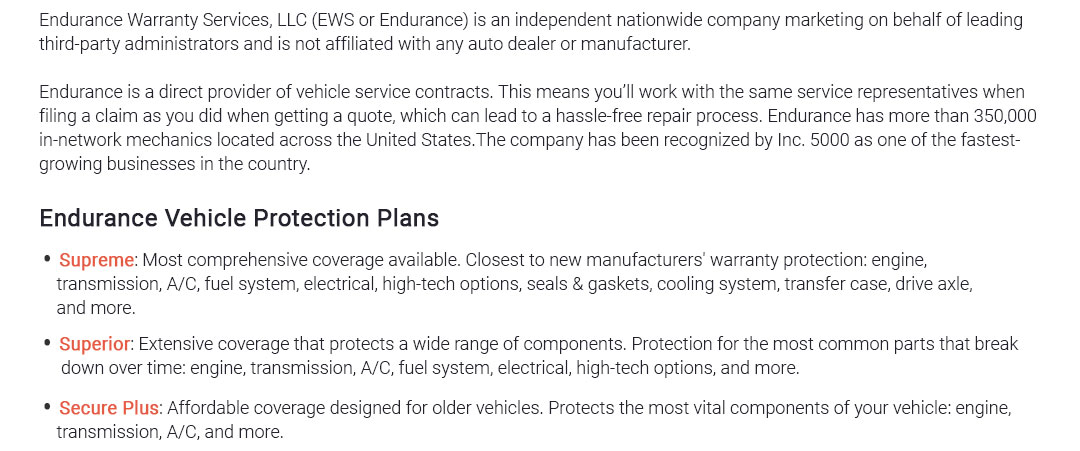 |
|||||||
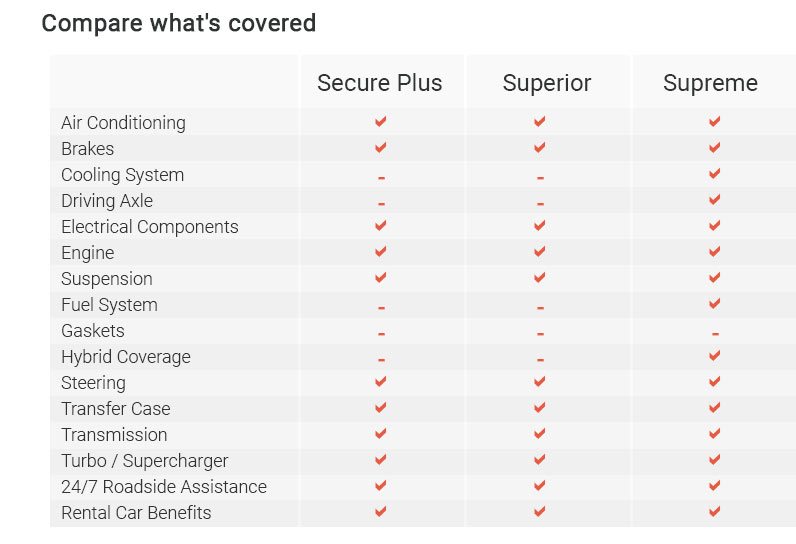 |
|||||||
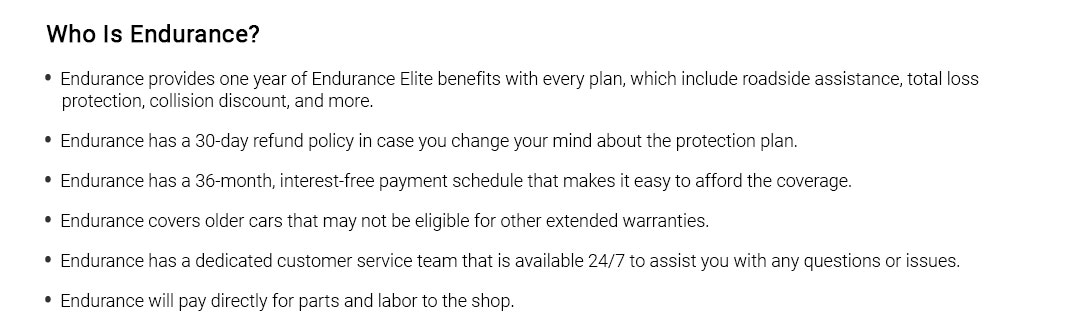 |
|||||||
 |
|||||||
|
|||||||







|
||||||
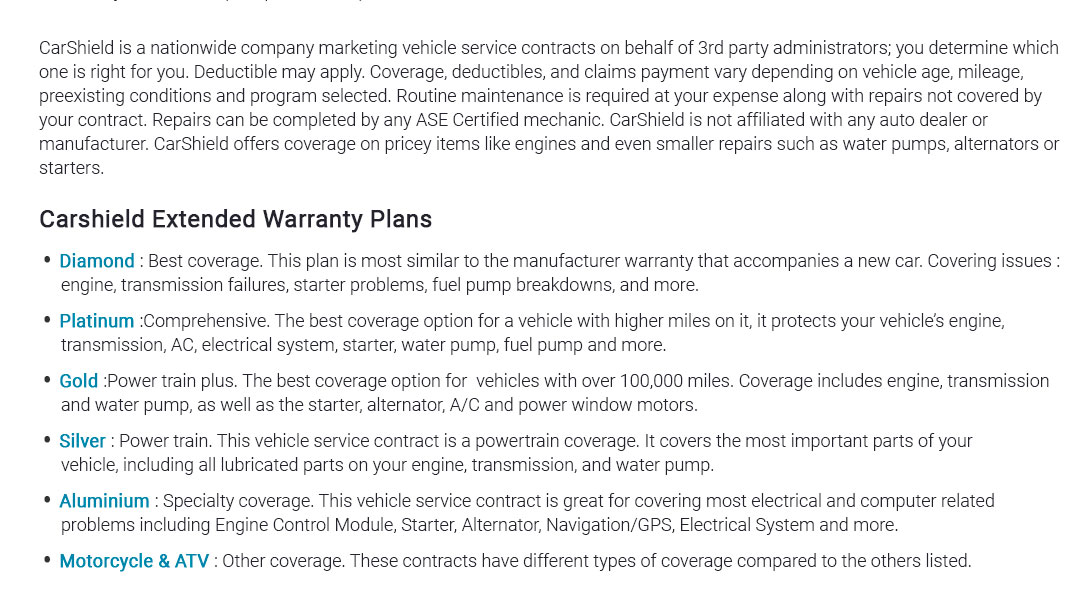 |
||||||
 |
||||||
 |
||||||
|





 |
 |
 |
 |
 |
 |
 |
mercury auto warranty timing and peace-of-mind choicesI'm new to this. I picked up a well-kept Mercury, and I want repairs to be predictable, safe, and not ruin my month. Here's what I learned while figuring out if - and when - a plan fits. What "warranty" really means for an older MercuryFactory coverage is long gone for most models. What I'm shopping is a vehicle service contract administered by a third party (sometimes dealer-backed). It pays for covered repairs, usually after a deductible, with rules about parts, labor rates, and approvals. The label varies; the fine print is what matters.
Timing: when it makes sense to lock one in
I paused, picturing the shoulder at dusk, hazards ticking, wondering if I'd hesitate to call a tow without coverage. Safety and real-world fitMy priority is getting critical faults fixed fast without second-guessing. A plan with roadside assistance, rental reimbursement, and broad electrical coverage reduces the urge to "drive it anyway." That's safer for me and everyone around me. A small real-world momentOn a rainy Thursday my Mercury's water pump let go. The plan covered a tow to my preferred shop, the pump and belt, coolant, and a two-day rental. I still picked up my kid from practice, dry and on time. Quiet relief. Fine print I'm actually checking
Costs and value snapshotQuotes I'm seeing range from low four figures for short powertrain plans to several thousand for exclusionary coverage on older, higher-mileage cars. One major repair - transmission rebuilds often run $2,500 - $4,000, A/C with compressor and condenser can hit $1,200+, ABS modules $700+ - can justify the spend. But if I have a healthy emergency fund and shorter ownership horizon, self-funding might fit better. How I'm decidingMy aim is coverage that fits how I drive, not just a big list of parts. Safety first, then budget, then convenience.
Questions I'm asking a provider
If the answers line up with how I drive and how I fix things, I'll sign; if not, I'll keep my cash buffer and revisit later. Either way, the goal is the same: a safer car, and fewer hard decisions on the side of the road.
Main Topic:
Mercedes Warranty
https://www.automoblog.com/reviews/auto-warranty/mercury-extended-warranty/
To get a Mercury extended warranty quote, you can call 800-654-8455. Be prepared with your vehicle's year, make, and mileage on hand, as well as ... https://mckennainsurance.com/pdf/Mercury-Mechanical-Breakdown-Brochure.pdf
Mercury's Mechanical Breakdown Protection. Plans extend coverage to virtually all mechanical and electrical components of your vehicle. They are available for ... https://mercury-mechanical-protection.constantcontactsites.com/
Includes Key Fob, Total Loss Refund, Up to 150k miles & 15 model years on Exclusionary and Named Component. No age or odometer limit on Powertrain plan. No ...
|
